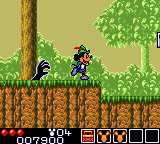
Legend of Illusion is the 3rd title in the 8 bit Illusion series of Mickey Mouse platformers. Originally releasing on the Game Gear in 1995, this was the first entry in the series to be developed by Sonic Chaos/Triple Trouble developers Aspect.
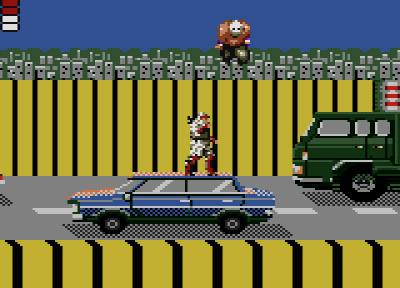
The GG Shinobi puts you in control of our returning hero Joe Musashi, who once again has to take it to the streets to stop an evil organisation from threatening to overthrow the Oboro ninja clan. This time the action takes place in Neo City and a selection of 4 young ninja have been abducted as they attempted to learn more about this new threat.
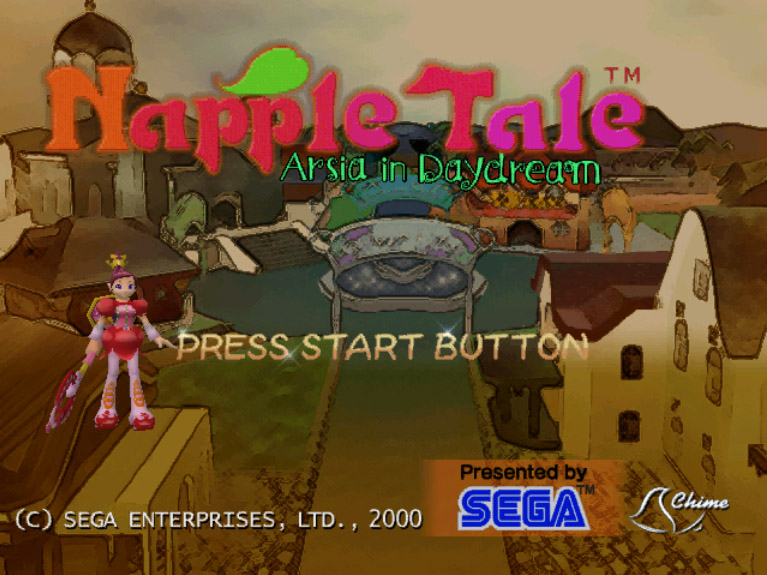
Napple Tale: Arsia in Daydream is a platform game from 2000 that was developed by Chime and has been locked into Japan exclusivity for its entire existence. Thankfully in 2019 the game received an English fan translation courtesy of Cargodin who opened up the game to a whole new English-speaking audience.
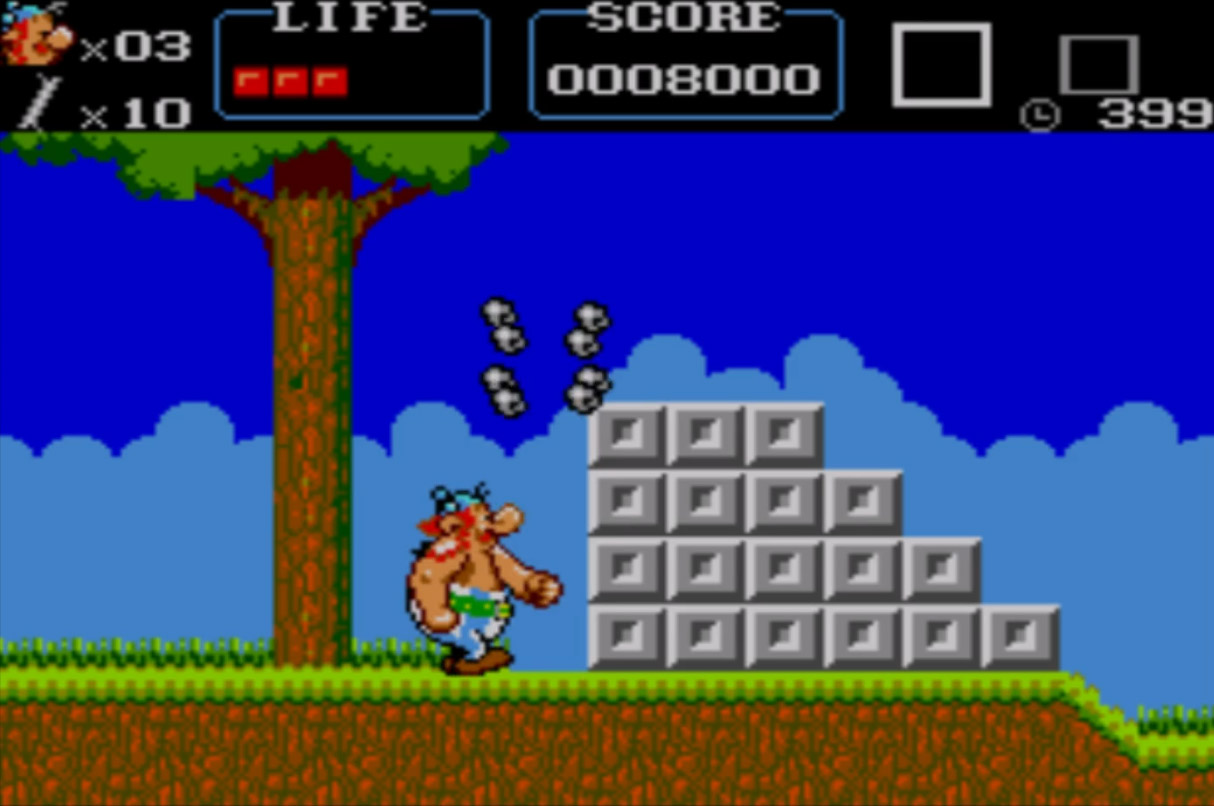
1991’s Asterix for the Master System is a game that is likely going to be shrugged off as “Euro trash” by a certain contingent of retro gamers (cough cough, Americans, cough cough) thanks to the franchise’s French origins. Licensed platformers also don’t have a great track record when it comes to quality, but what we’ve got here is an internally developed SEGA platformer from an era when the company were on a hot streak.
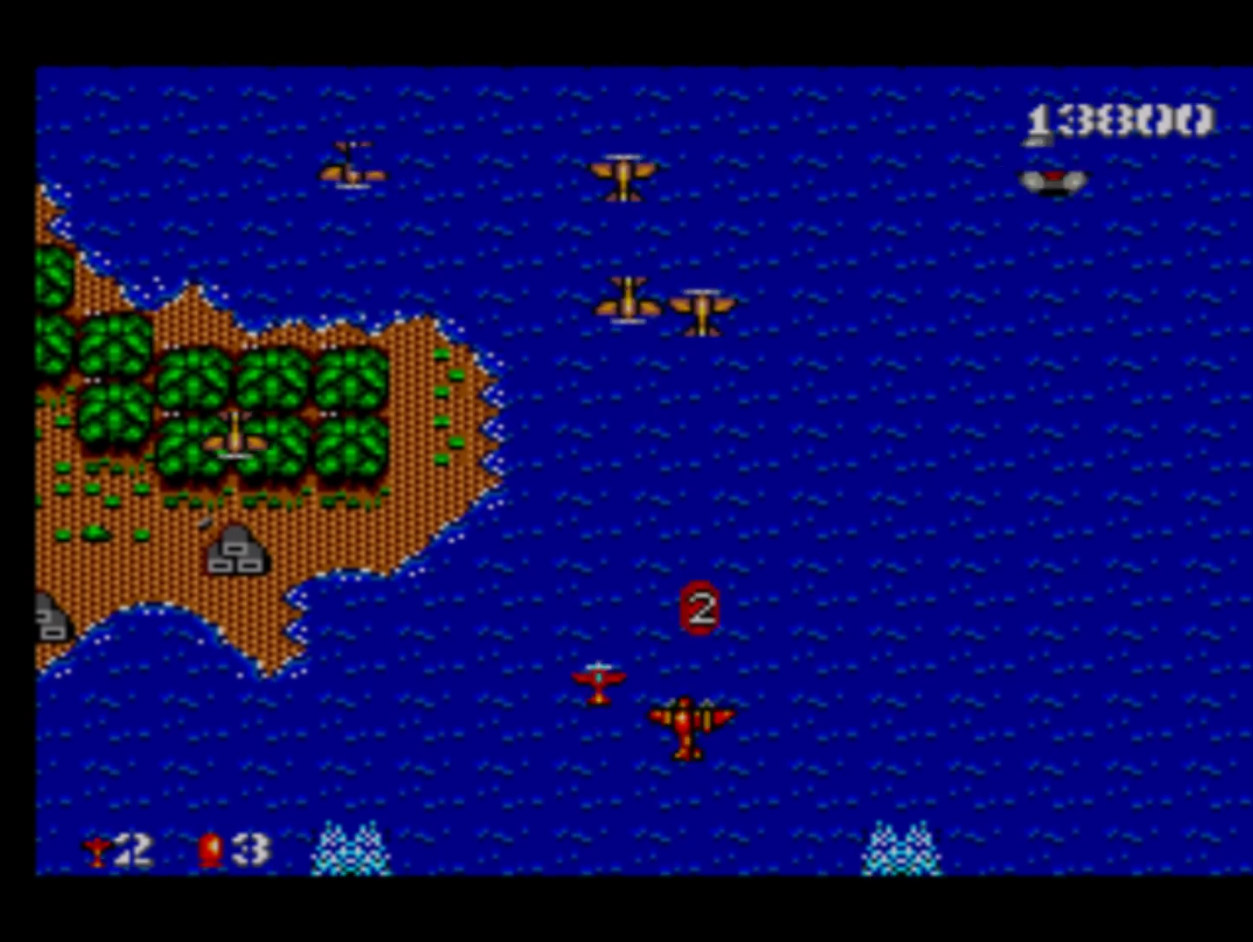
Released in 1989; Bomber Raid for the Master System is a vertically-scrolling shoot-em-up developed by Sanritsu and is infamous for being the final Master System game officially published by SEGA in Japan during the console’s lifespan. As a result of being a game that released in Japan, it also has a secret FM soundtrack that anyone in the PAL territories could never really access during the console’s original run, as those regions never received the FM Sound Unit or a version of the Master System where it’s built into the console itself.
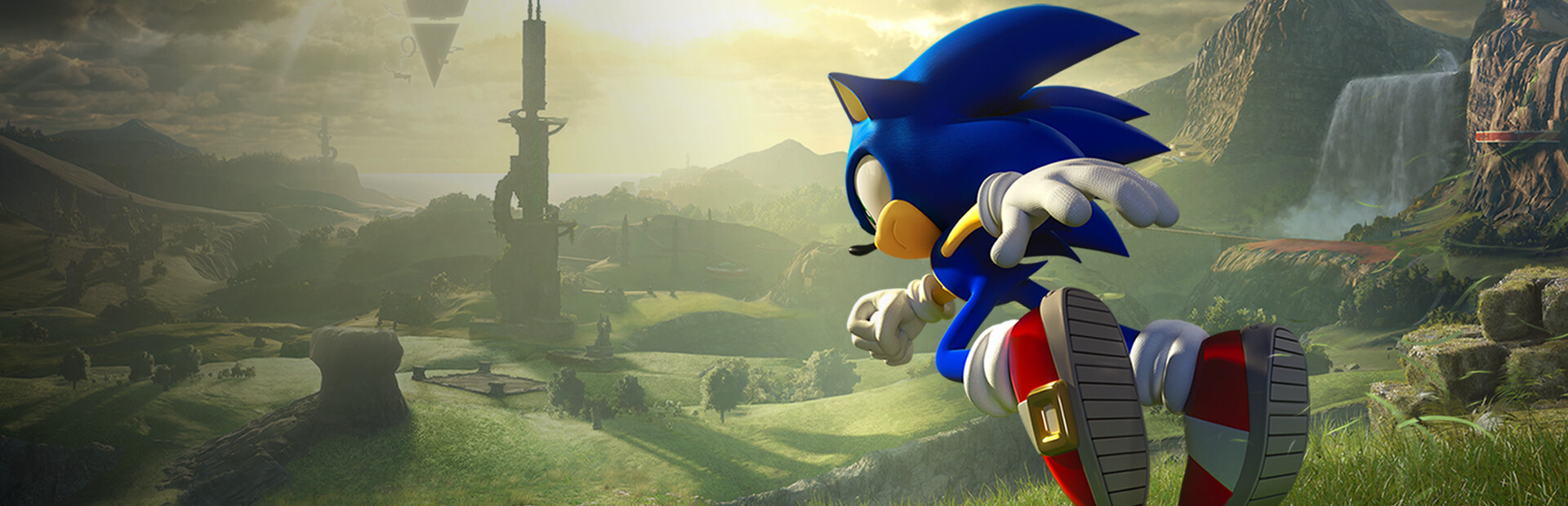
The release of a new Sonic game has become a somewhat sad affair over the course of the last decade, right after it seemed like he was finding his footing with games like Sonic Colours and Sonic Generations. So after nearly two full run-throughs of the game, it brings me great joy to say that Sonic Frontiers is the best Modern Sonic title released in the past 10 years. In fact, there’s elements of it I think I enjoy more than Generations! It’s also, however, a game with no shortage of issues; in ways that often feel much like ‘first game syndrome’ for the ‘open-zone’ concept that Takashi Iizuka believes could form the future of Sonic games.
When Tracker isn’t playing SEGA games, he’s talking about SEGA games. Or drawing about SEGA games. Or all of the above. You can also catch him over on Twitter.
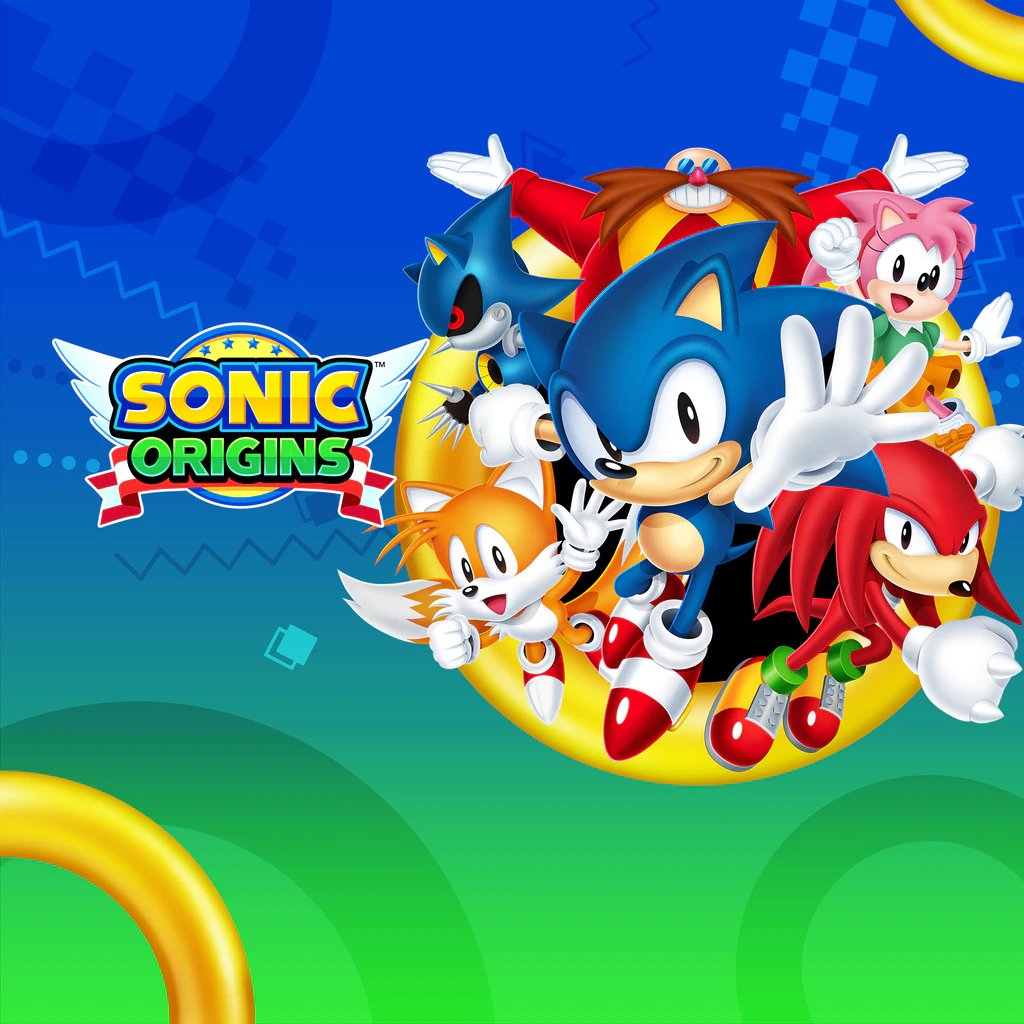
SEGA aren’t exactly strangers to wheeling out the Classic Sonic games now. It’s a running joke amongst the fanbase that every Sonic fan owns at least 30 different copies of the original game across just about every gaming platform known to man. Hell – I had Sonic the Hedgehog on my chunky old iPod Classic! But after the rather staggering way SEGA stuffed up Sonic Colours Ultimate last year, I don’t think it’s unreasonable that some people were even more wary of Sonic Origins than they’d usually be. The good news is that this isn’t the mess that Sonic’s Wii outing got turned into. The bad news is that Sonic Origins is still a very flawed package, full of glaring errors and mistakes that are made more aggravating knowing they could’ve been very easily fixed.
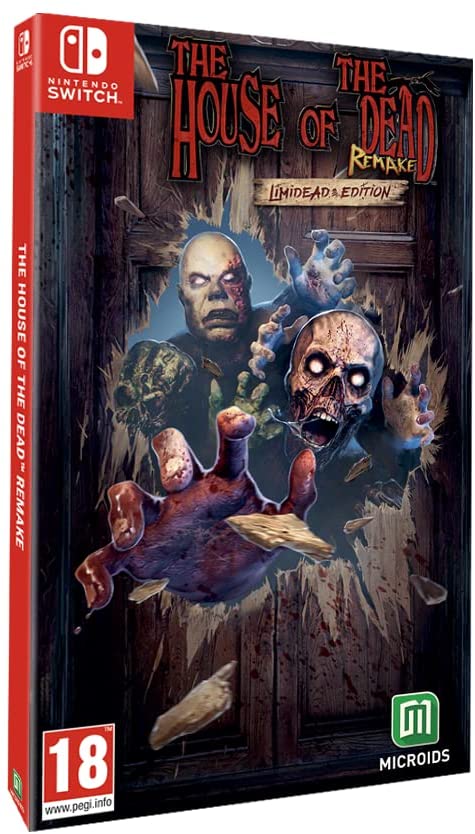
The House of the Dead is a long-running series from SEGA’s beloved arcade team AM2. The original game sees AMS agents Thomas Rogan and ‘G’ set off to the Curien Mansion, after Rogan’s fiance Sophie warns them that the research team based there are being murdered. Sure enough, the duo arrive just in time to see a creature (the original development team insist they’re not zombies) eating a researcher’s face, and so they get to work trying to find the cause of all the bloodshed. The setup is exactly the same for this remake as you’d probably expect.
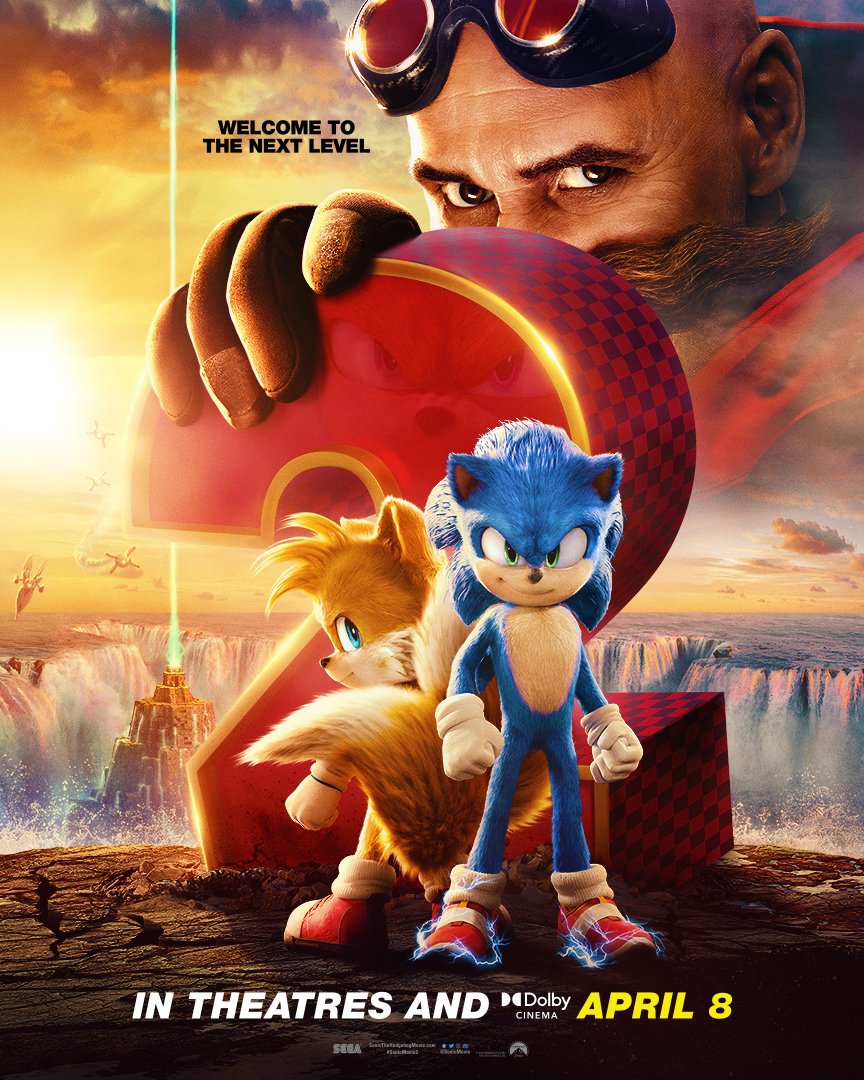
With the first Sonic the Hedgehog movie, Jeff Fowler and company managed to establish this cinematic version of the character in a more realistic scenario. It certainly contained a fair bit of Sonic franchise iconography, but it was a film that was considerably more grounded and may have left Sonic fans a little wanting. With the foundations now laid, Sonic the Hedgehog 2 fully leans into the more extravagant concepts of the games it is based on and delivers one of the best video game-to-movie adaptations there has ever been.
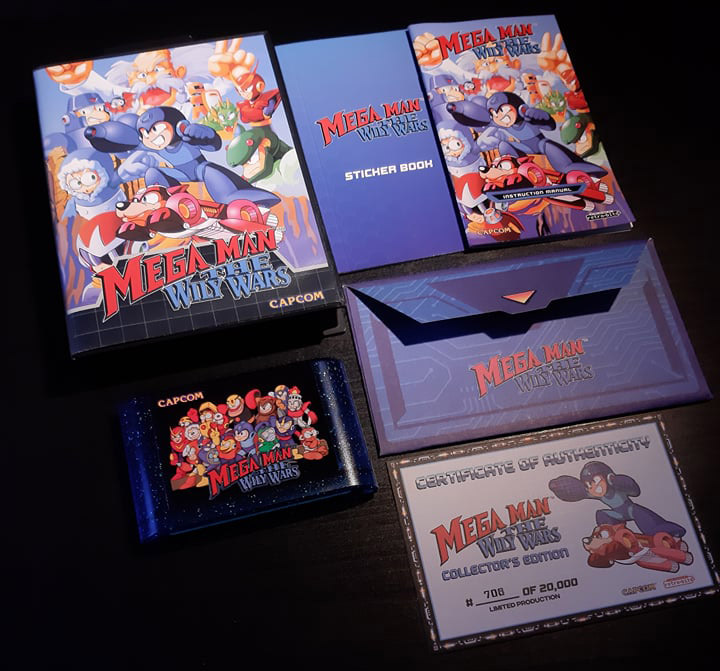
Retro-bit recently re-released Mega Man: The Wily Wars for Mega Drive/SEGA Genesis and our guest contributor David Crint has written a brilliant analysis of the new packaging that goes into detail about what the collection offers alongside detailed analysis of the product’s quality. Please be aware that this feature contains no criticism of the actual software, with the focus being on the packaging of the collector’s edition re-release of Mega Man: The Wily Wars by Retro-bit and how it compares to the original release.
SEGADriven and its original content are copyrighted to their respective authors. Media related directly to SEGA is copyrighted to its respective authors. Any comments on SEGA-related materials do not represent SEGA themselves. All rights reserved 2008-2026.
We use cookies to analyse site usage, provide social media features and personalise content and ads. We may also share information about your use of our website with our partners.