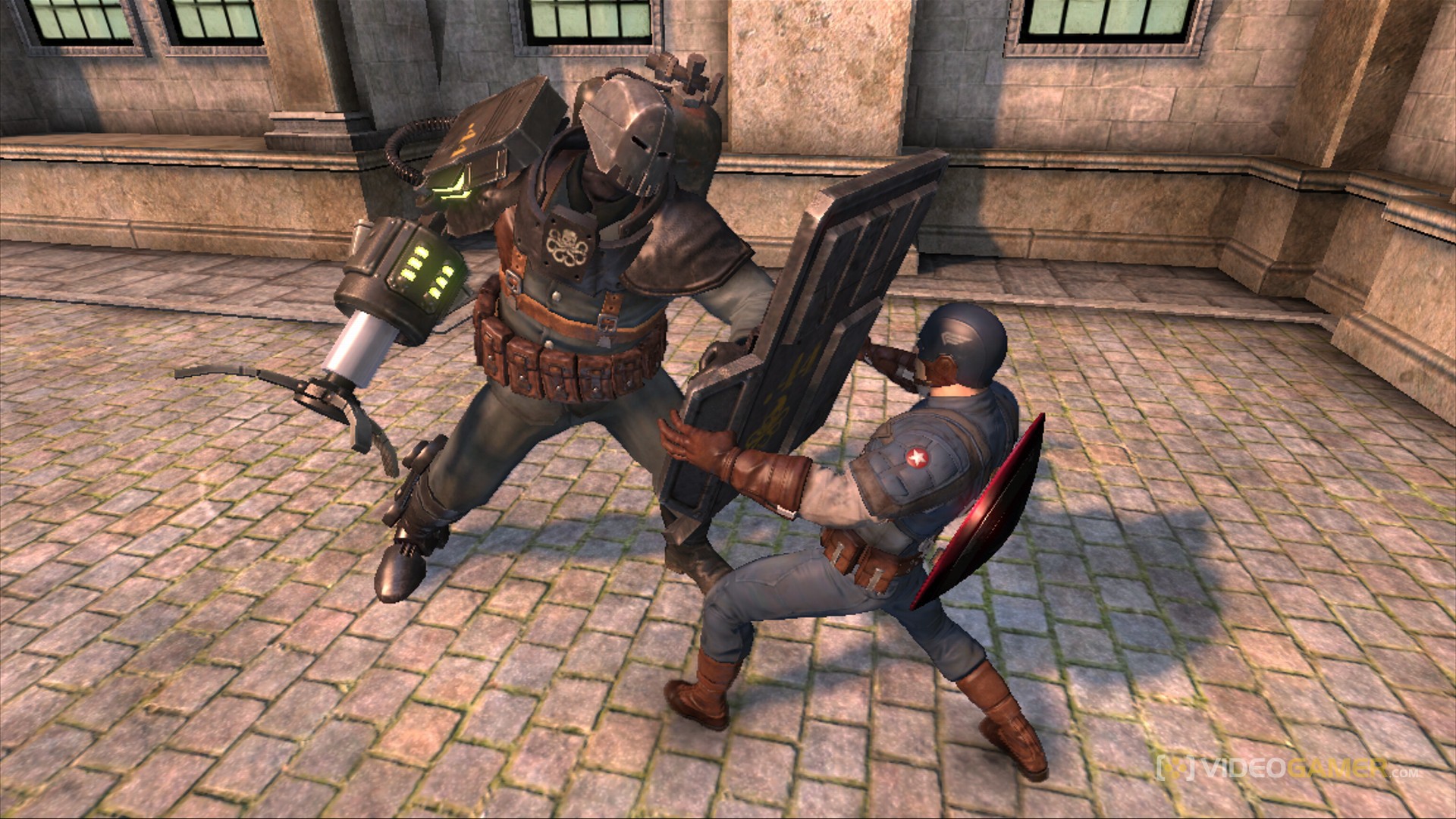
To say SEGA’s time with the Marvel license was a bit underwhelming would be a bit of an understatement. Every title SEGA published with a Marvel property attached to it was either rushed, buggy or entirely misjudged. Of the five games (and their multiple ports) produced under SEGA, The Incredible Hulk is the only one that you could say was even remotely worth a look as the open world chaos that it brought certainly seemed to showcase that developer Edge of Reality understood what makes Hulk a great character and how they could transfer that to a video game.
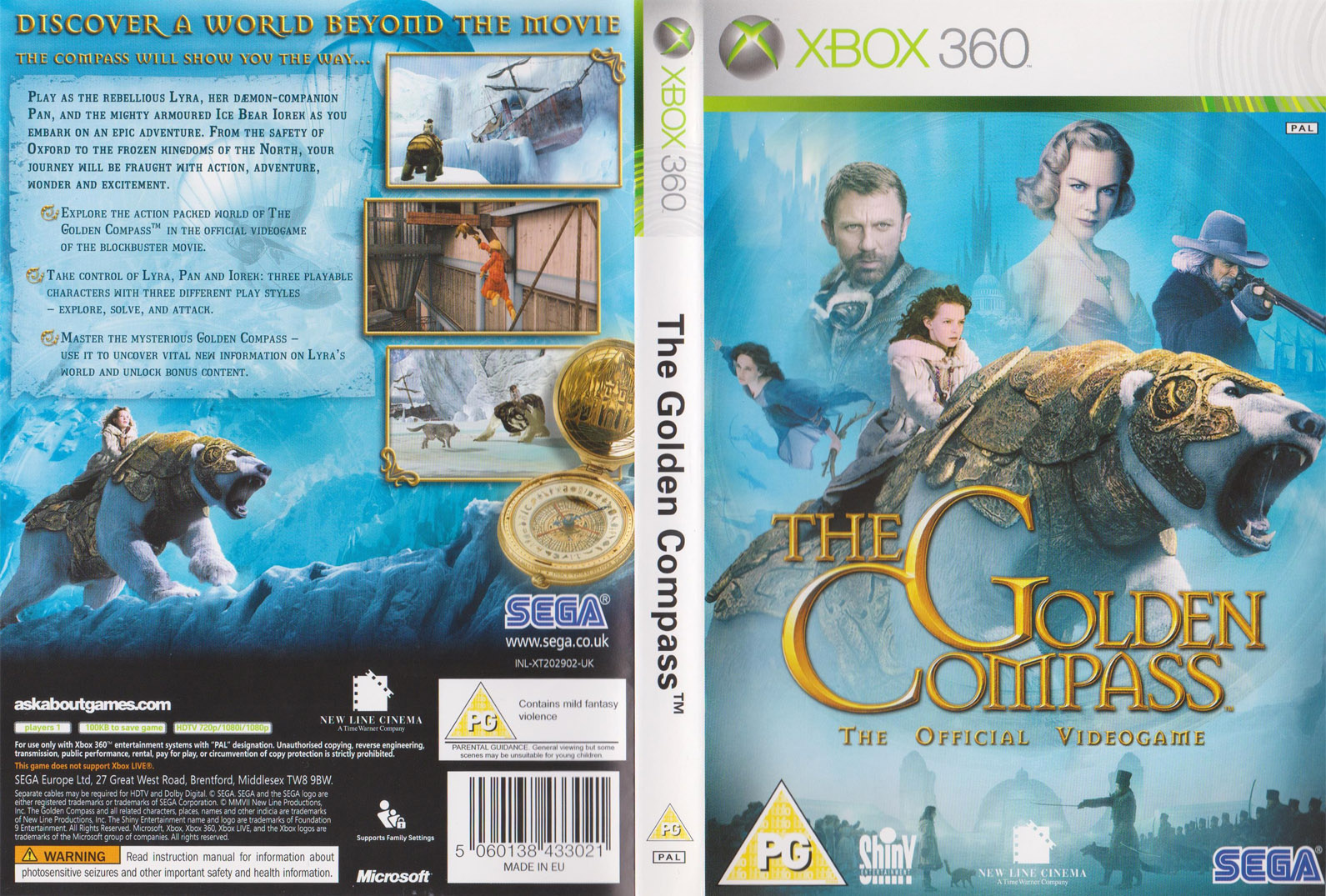
There’s something morbidly fascinating about SEGA’s late 2000s movie tie-in games. There’s so many of them and they’re all outsourced to little studios who were probably given an extremely tight deadline to work towards and the results are telling. Why on Earth SEGA commissioned a game based on 2007’s underperforming The Golden Compass (currently rocking a 43% approval rating on Rotten Tomatoes and an opening weekend described by New Line Cinema as “a little disappointing”) is a mystery to me, but I imagine it’s probably down to being a family orientated movie with an insane amount of fantasy gimmicks that can be utilised for a video game.
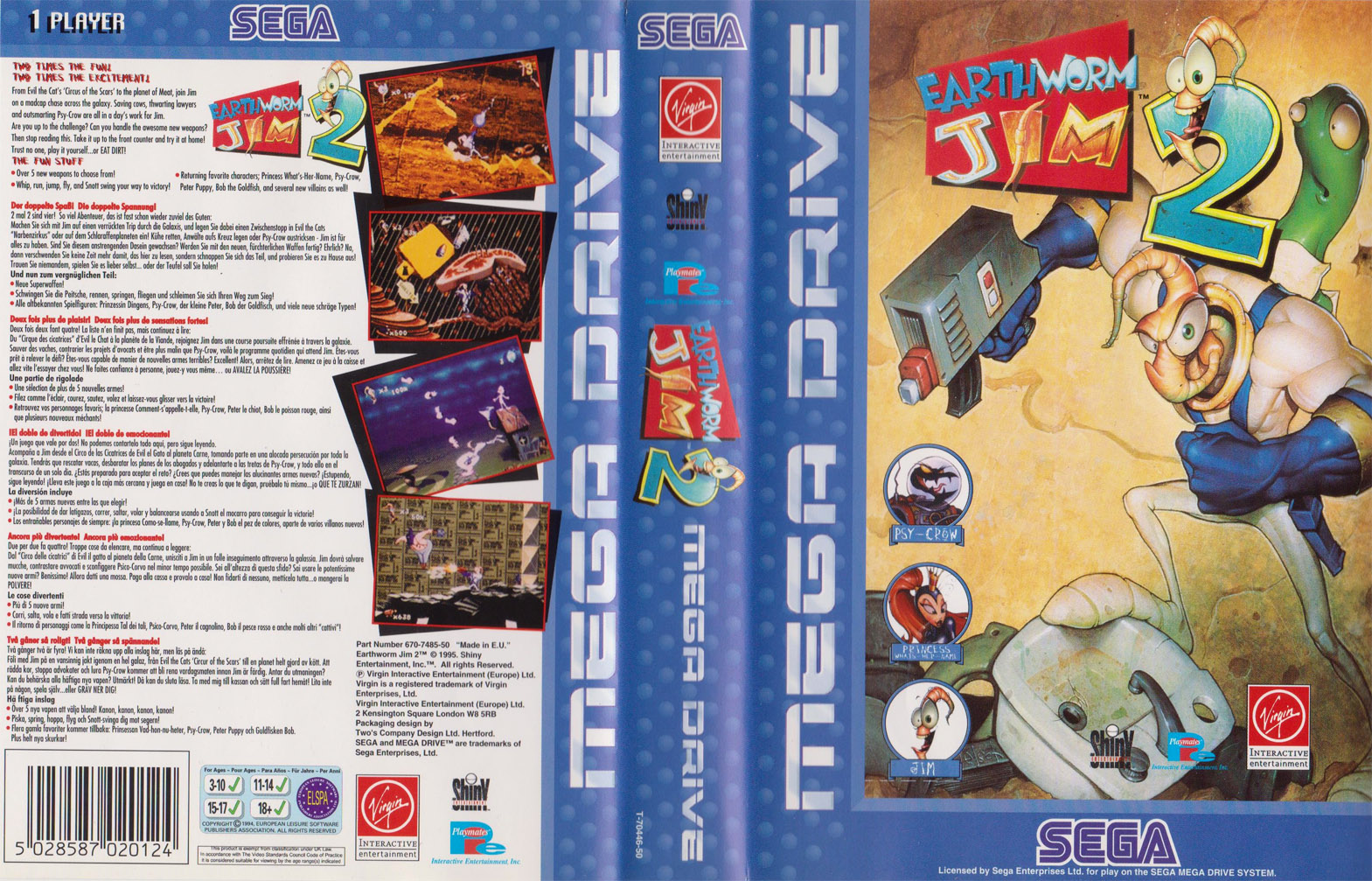
The original Earthworm Jim is a zany, off-the-wall, run ‘n’ gun, cartoon platformer that has earned its place as one of the Mega Drive’s greatest games. A sequel seemed inevitable at the time, but in hindsight, was there really anything that the Earthworm Jim formula needed to improve on?
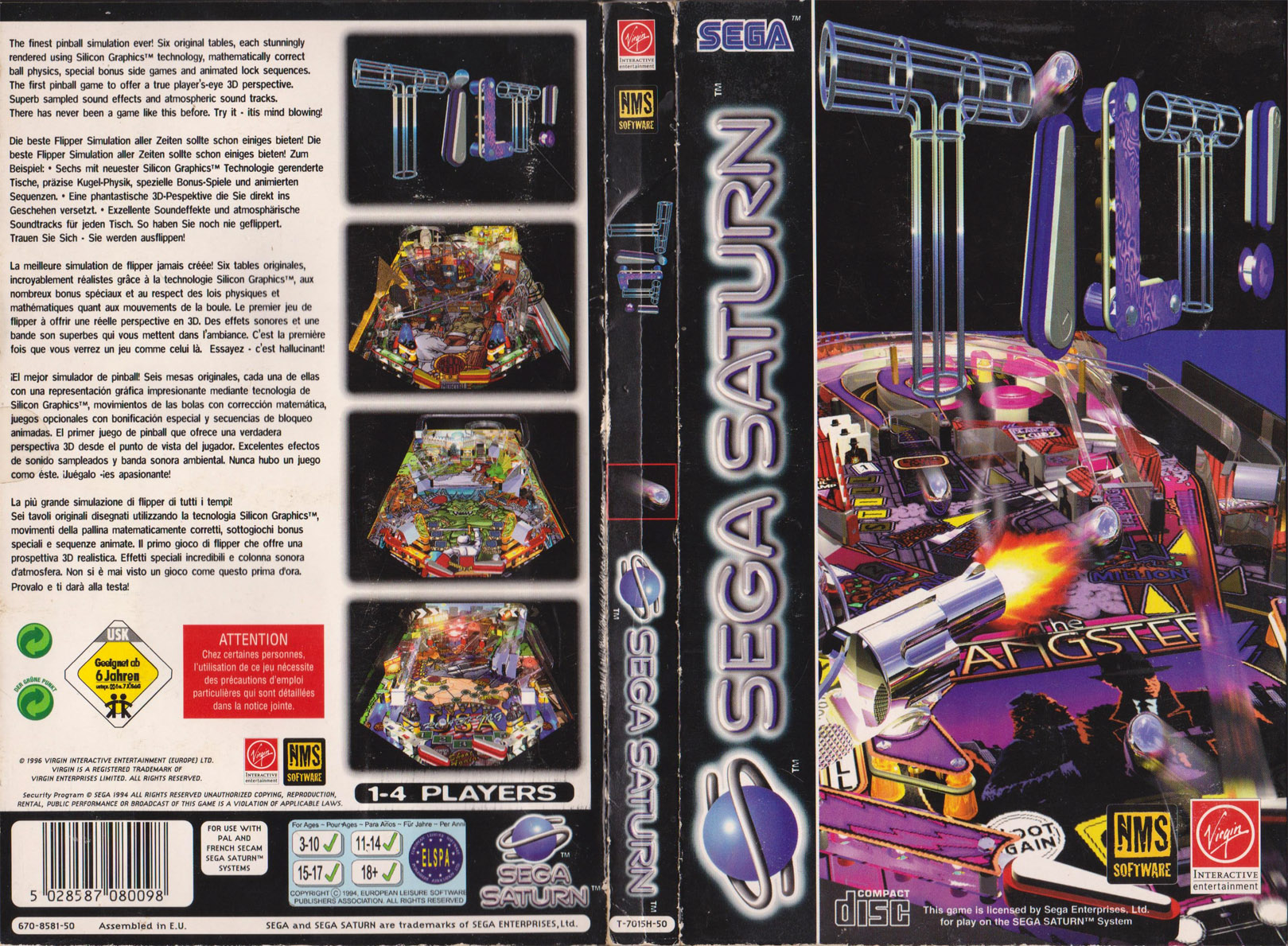
Tilt! (or Hyper 3D Pinball depending on where you’re from) is quite an extensive package for a 1996 pinball sim. Developed by NMS Software, this game features a whopping 6 unique tables to choose from, 2 camera angles and additional cut-scenes when you lock a ball in play. There’s a hell of a lot of pinball packed onto this disc, but is it all worth your time?
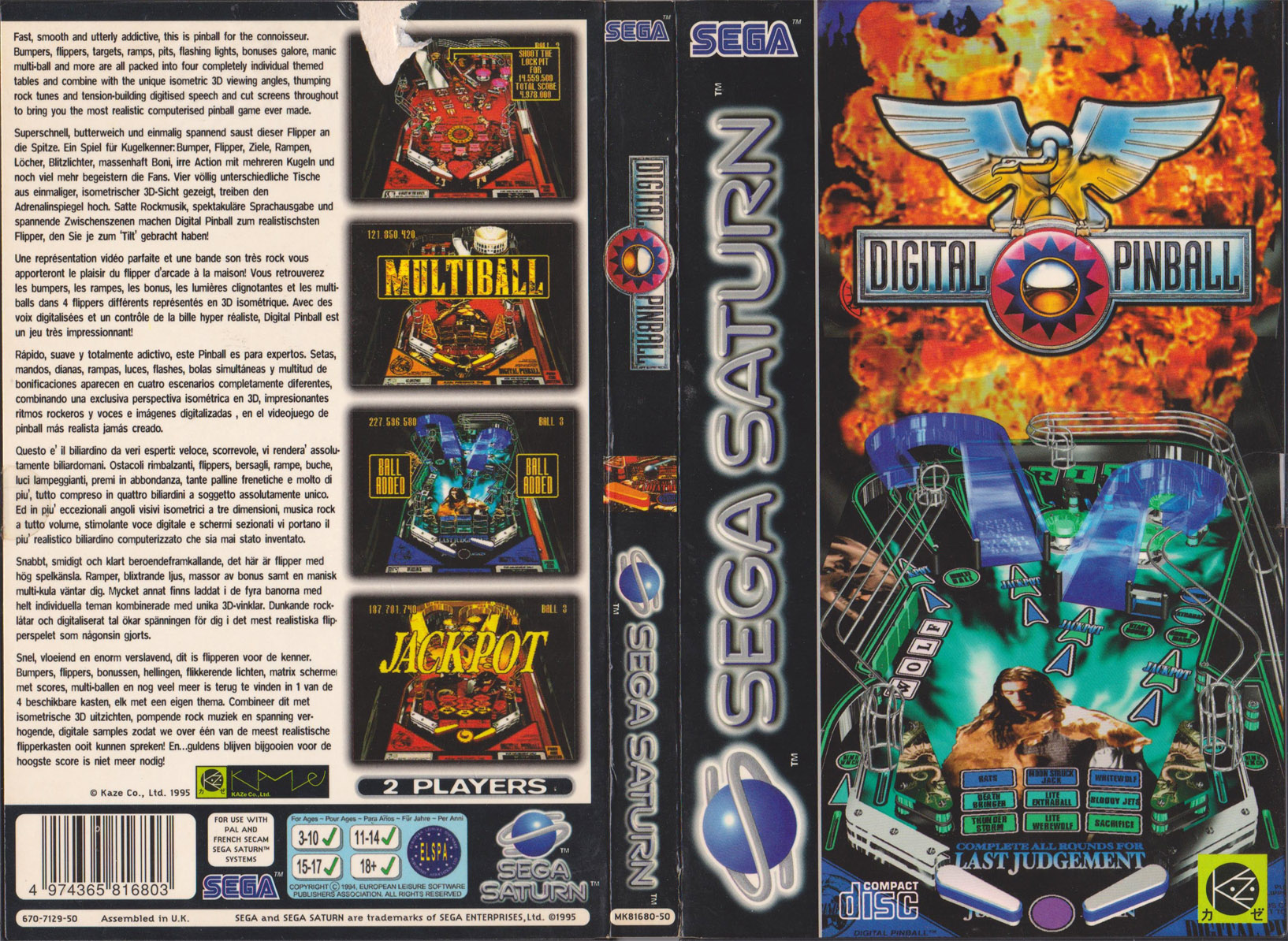
Pinball is high score gaming in its purest form; smack a chrome ball around a table and watch the numbers go up. There’s obviously a little more to it than that, but pinball offers a great feedback loop as you hit targets, bumpers and ramps and the machine blasts noise and light at you to indicate you’re doing well. It’s a visceral and exciting experience that will cost you an arm and a leg if you ever wanted to buy your own table and maintain it, so thankfully pinball simulation games came to the rescue to allow us all to enjoy the thrill of pinball from our homes.
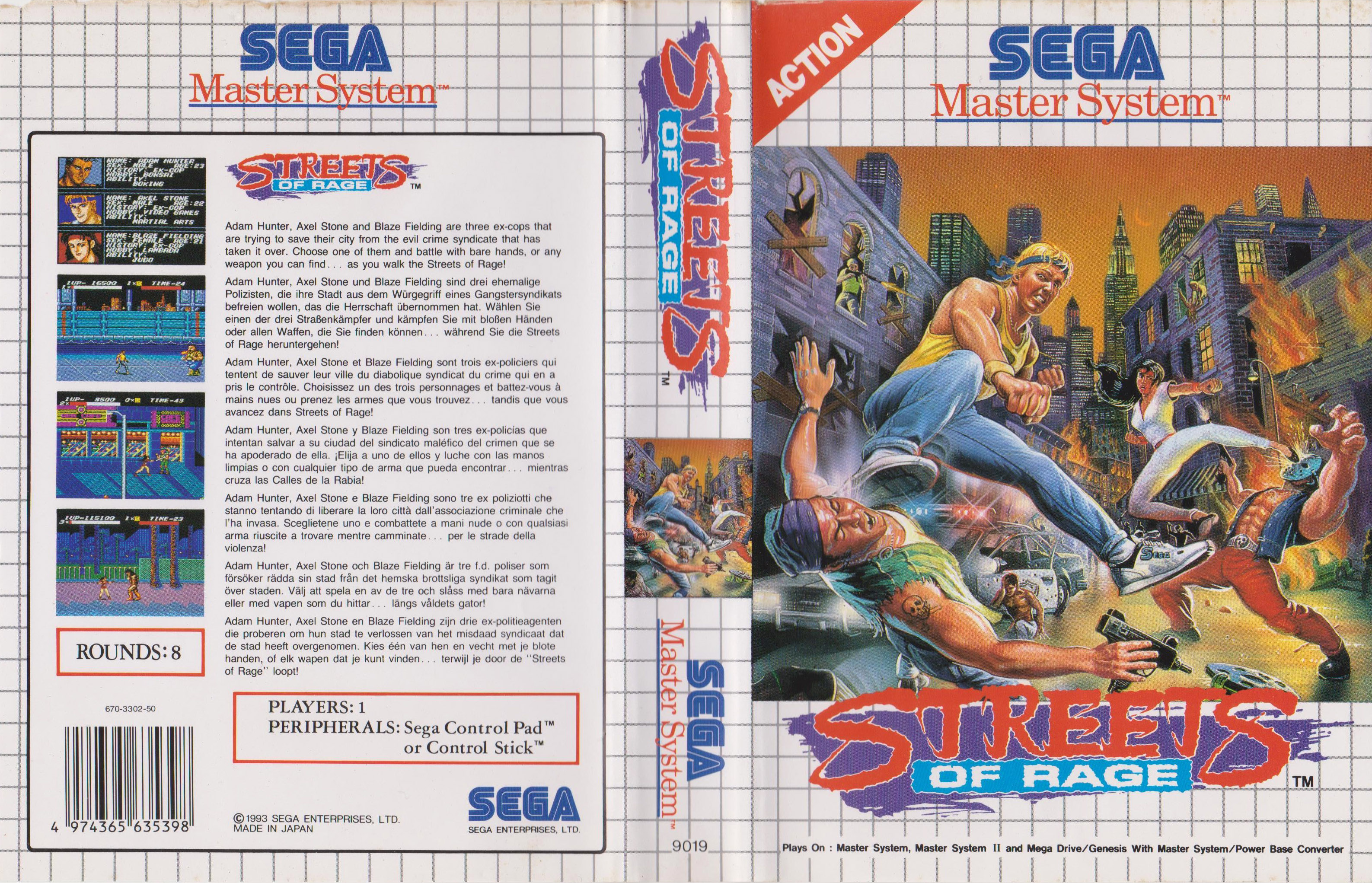
There’s something fascinating about seeing a much more advanced title being ported to a significantly underpowered system. In the right hands, these kind of ports can be an exciting experiment. What will the developer sacrifice in order to make the game run on such archaic hardware? More often than not, it’s the in-house studios who achieve the better results and with the Master System version of Streets of Rage that is definitely the case.
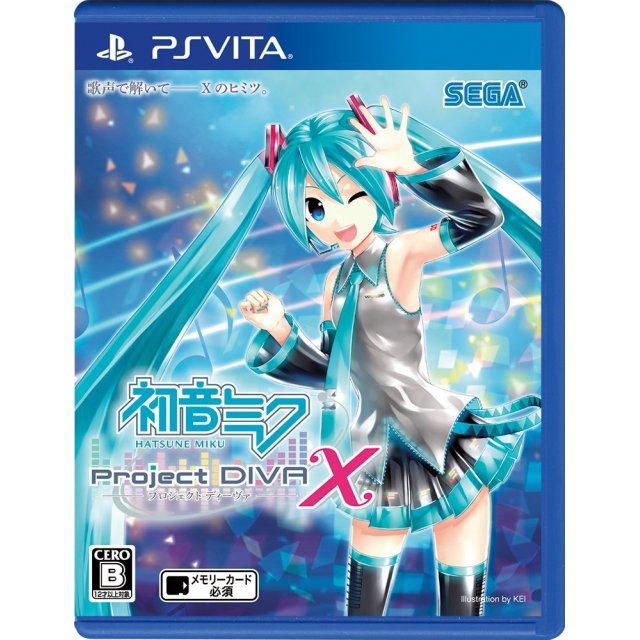
So here we are with Hatsune Miku: Project Diva X; the tenth title in the Project Diva series. That’s quite an impressive innings considering the franchise begun in 2009, but when you think about it, the core structure of these games has stayed pretty rigid since its inception so it must be pretty easy to tweak from game to game. Each title basically introduces you to a fresh playlist of songs to choose from and some additional mechanics that sometimes work well and sometimes don’t. So where does Project Diva X stand?
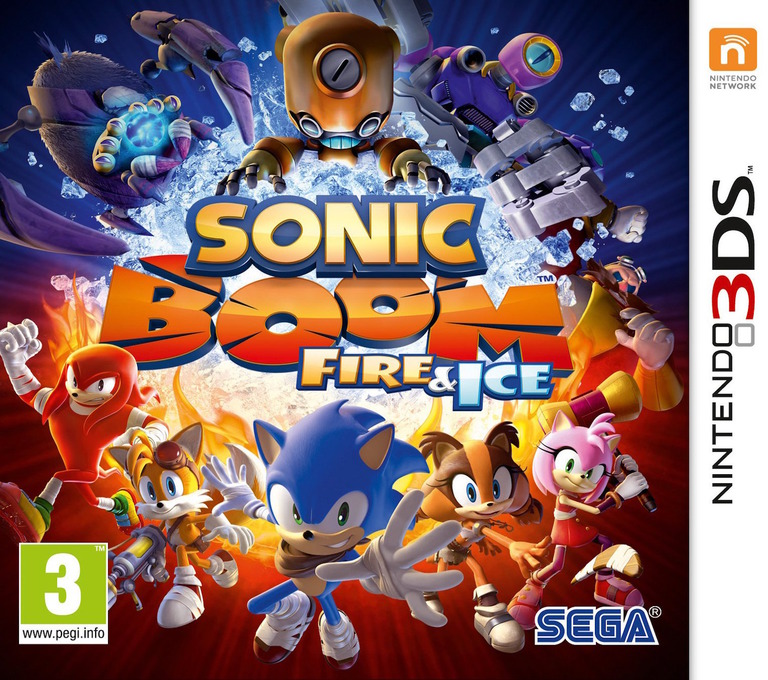
Sonic Boom: Fire & Ice’s existence is a strange one. A sequel to 2014’s Sonic Boom: Shattered Crystal, the 3DS game was delayed an entire year to be a game that, “fans will continue to play for years after they pick up the game” and an overall, “stronger, more enjoyable experience”. It was a bold move by SEGA who have come under criticism for the way they have taken the Sonic franchise in new directions with the previously released and poorly received Sonic Boom games.
The Mega Driving Club has finally returned! Our YouTube series about SEGA driving games comes back with our first look at a Game Boy Advance driving game in the form of SEGA Rally Championship. Check out the video review by clicking the embed below:
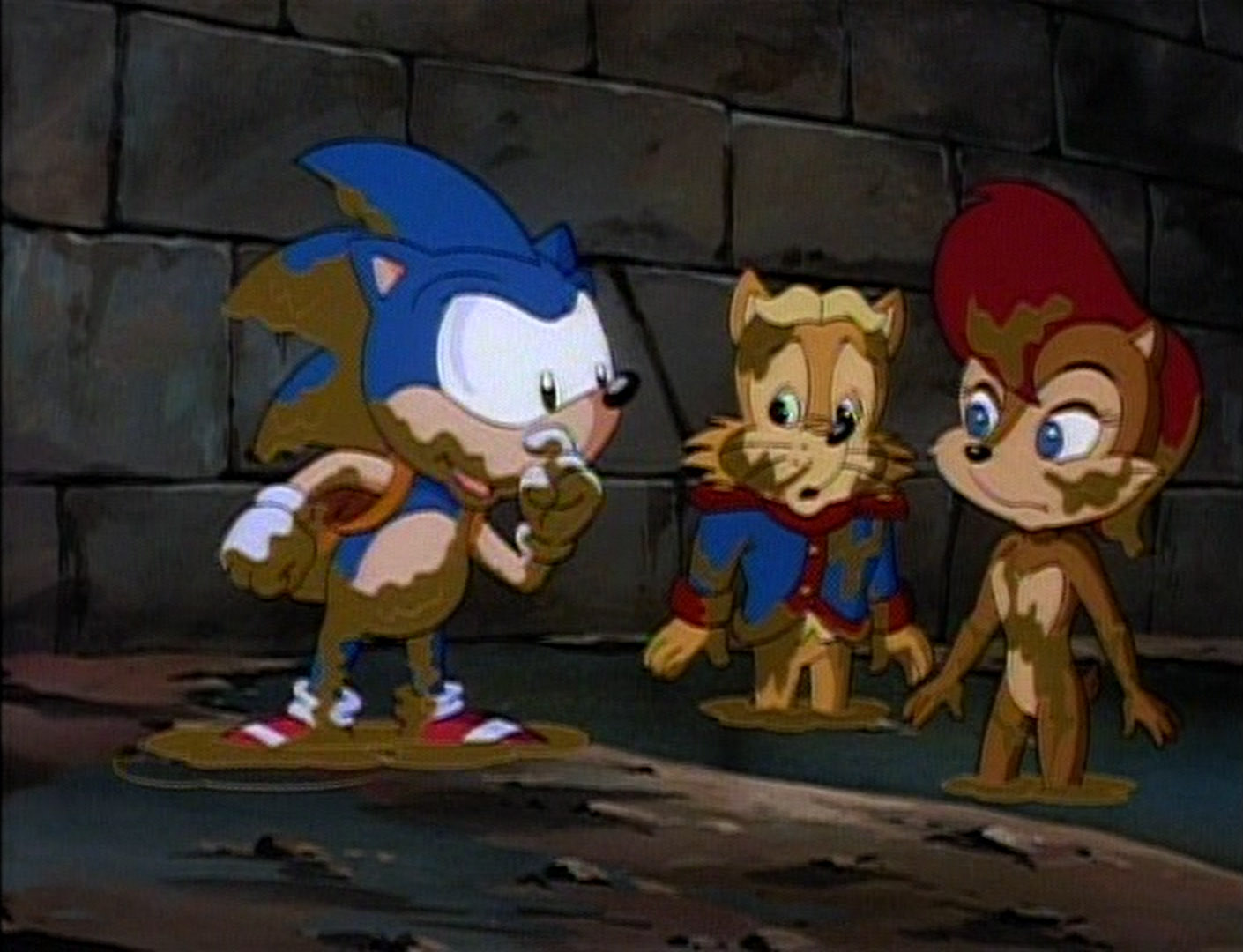
We return to the world of Sonic the Hedgehog (SatAM) with another episode review. In this feature we take a look at the first “proper” episode after the pilot. This episode is called Sonic Boom and you can read a review of it by clicking here.
More episode reviews will be added to this page as I make my way through the series. It would be great to get some feedback on this feature so please leave your thoughts and comments below!
SEGADriven and its original content are copyrighted to their respective authors. Media related directly to SEGA is copyrighted to its respective authors. Any comments on SEGA-related materials do not represent SEGA themselves. All rights reserved 2008-2026.
We use cookies to analyse site usage, provide social media features and personalise content and ads. We may also share information about your use of our website with our partners.